Identify the service scope
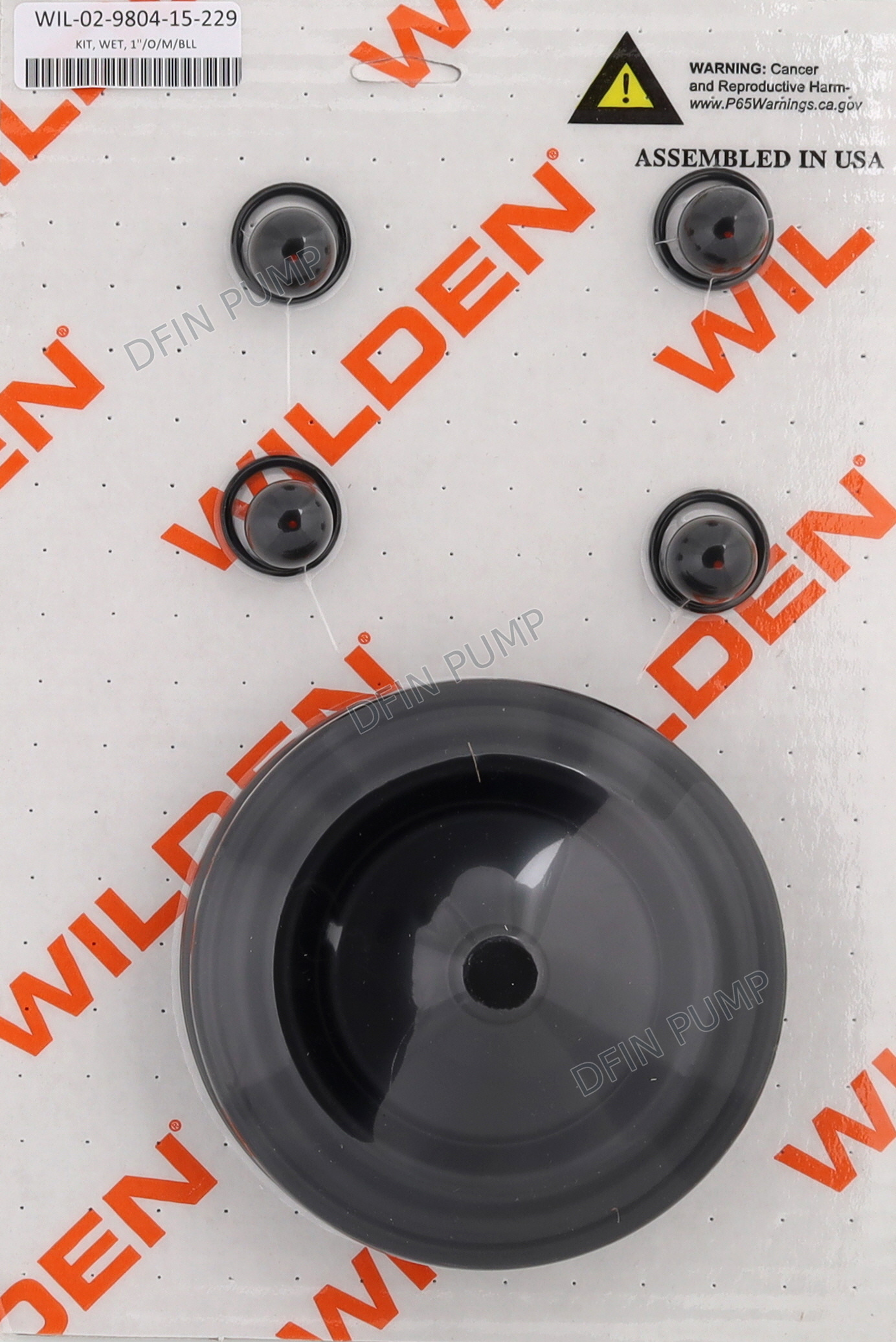
Begin by explaining whether your request concerns the air side, the fluid side or a full pump inspection. In the DFIN catalog, Air Kit and Wet Kit references are listed separately where available. A kit should be selected from the exact pump identification and its documented service relationship, rather than from a broad description such as “two-inch repair kit.”
Record what is already known
Provide the complete pump model, item number, air-system identification and any readable kit or component codes. If you have an old package label, include a photograph. A previous kit number is useful evidence, but changes in pump configuration or a previous repair can make additional checks necessary. Tell us about known modifications.
Review the listed components
Some product pages include a component-level list; others show that the list or relationship still requires verification. Read these notes alongside the kit code. Do not treat an unverified list as a guaranteed packing list. Ask for the proposed kit contents and quantities to be confirmed as part of the quotation, especially when you need individual components in addition to the kit.
Confirm before maintenance begins
A repair quotation should identify the supplied kit and the scope of the work it is intended to support. Keep the applicable manufacturer manual with the job documentation. Installation, inspection and torque requirements belong to the correct manual for the pump being serviced; a catalog page is an identification aid, not a substitute for that procedure.
Prepared by the DFIN editorial team as practical identification, selection and maintenance guidance. Confirm the exact product configuration and service procedure before ordering or maintenance.